
By Perry Turner, Managing Director, Commercial & Clinical Operations
Organ donation and transplantation is an intricate process that extends far beyond operating rooms and hospitals. Successful transplants are carefully coordinated and planned, requiring close collaborations between organ recovery teams, organ procurement organizations (OPOs), surgeons, and other medical professionals. Organ Recovery Systems (ORS) works daily to strengthen this network by innovating technologies and solutions that protect donor gifts throughout the entire journey. Our LifePort® systems ensure that all contributors in an organ transplant journey have the information and tools needed to make the process predictable and repeatable, improving outcomes for patients.
From the Moment of Donation
When donor gifts are received, immediate steps must be taken to preserve the health of the organ. Historically, static cold storage was a well-used method for preserving organs during transport, placing organs on ice to slow tissue deterioration until they could be transplanted. While static cold storage (SCS) can be effective, the risk of early graft dysfunction increases with every hour that an organ spends on ice, leading to long-term health repercussions for the organ itself and for recipients. Static cold storage places enormous pressure on transplant teams to rapidly transport, assess, and allocate donor gifts, risking the loss of donor organs.
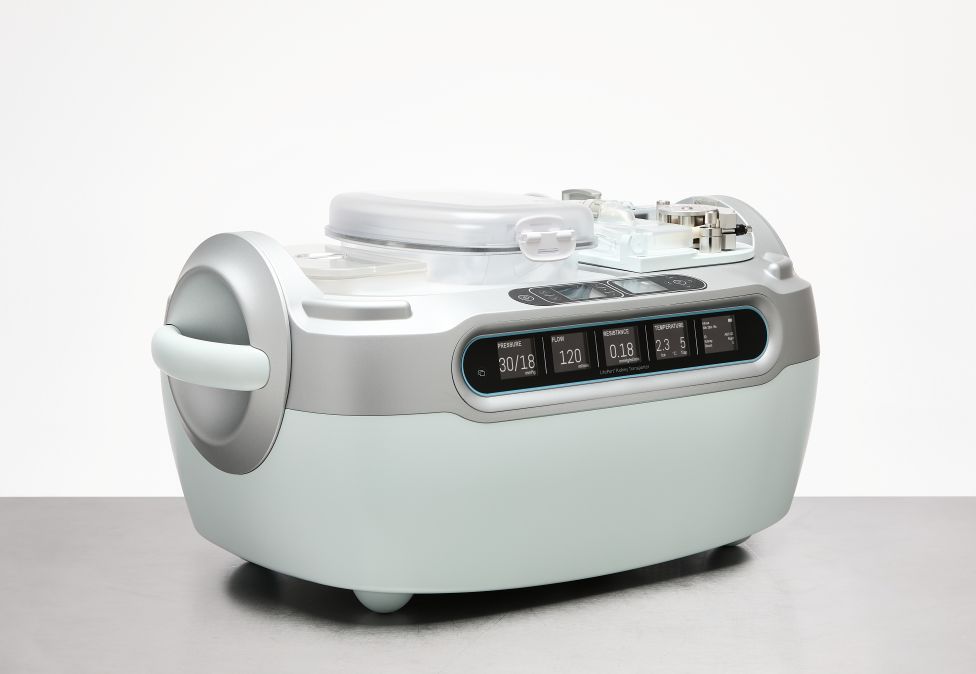
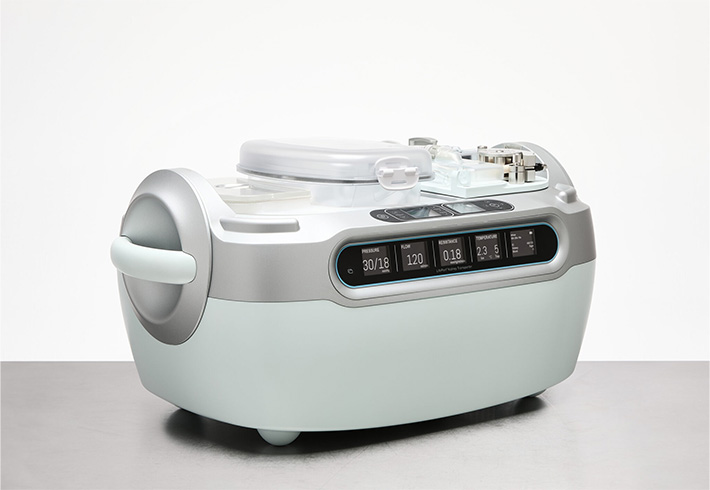
ORS understands the importance of extending timelines and providing quality care for organ donations. LifePort Kidney Transporter offers a alternative to SCS that is not only a transport solution, but a way for transplant teams to actively mitigate ischemic injury with continuous hypothermic machine perfusion. The continuous circulation of perfusion solution improves organ preservation by better mimicking physiological conditions and reducing delayed graft function. The long-term benefits of hypothermic machine perfusion are backed with robust clinical evidence, with published clinical data showing improved graft survival rates even 10 years after transplant surgery. Together with OPOs, transplant teams, and hospitals around the world, we’re working to support organ utilization and protect the gift of life.
Safeguarding Donor Gifts
Organ transport and logistics can be some of the most challenging stages of transplantation. Donor gifts must be protected and preserved outside the body while being moved across hundreds of miles and sometimes through conditions that can make travel difficult. For example, the largest OPO in North Carolina, HonorBridge, recently shared a story about navigating a once-in-a-generation snow storm in North Carolina while transporting a donated kidney in a LifePort Kidney Transporter. A surgical organ recovery professional had a perfect-match kidney for a recipient, but local courier services had been grounded due to snowy conditions. He drove through the night and pushed through over a foot of snow to retrieve the kidney and reach Raleigh-Durham International Airport the next morning, catching his flight to the recipient in South Carolina. During this transplant journey, the LifePort Kidney Transporter kept the donor kidney safely perfused and protected for 18 hours through automobile travel and a commercial flight, with no interruptions to the standard of care.
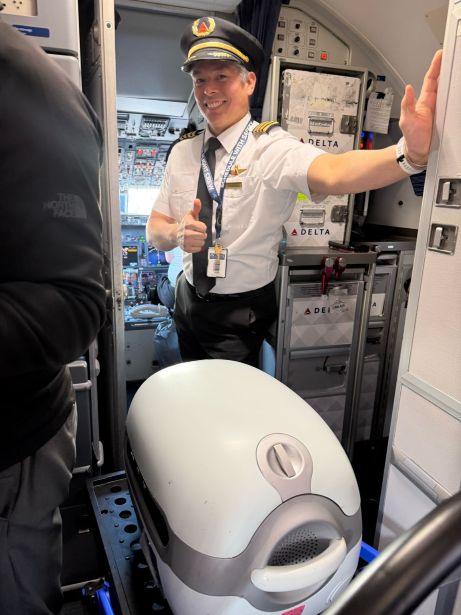
In the past, organs placed in static cold storage faced a narrow window for navigating transportation challenges and stories like this would not be possible. But with LifePort’s extended preservation timelines, dedicated professionals like those at HonorBridge can go above and beyond to get patients the organs they need. The controlled organ preservation environment maintained by LifePort devices allows transplant teams time to find suitable matches, navigate transportation obstacles, and coordinate with operating teams and patients. LifePort technology can aid in stabilizing organs during these critical steps, replacing risk with reliability.
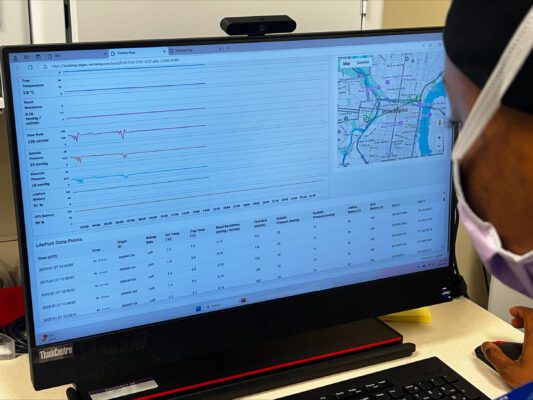
LifePort systems also improve hand-offs, ensuring that surgeons and transplant teams have the data and insights needed to make decisions. The devices record pressure, flow, resistance, organ temperature and more, helping surgeons assess organ health and plan surgeries. The latest upgrade to LifePort Kidney Transporter also introduced real-time tracking and monitoring data through our online portal, allowing the entire transplant team to track perfusion cases and device locations. The data transparency and organ preservation provided by LifePort technology aid clinical decision-making, resulting in better recipient experiences before, during, and after their time in the operating room.
Building For Success
For over 25 years, Organ Recovery Systems has been focused on honoring organ donations as a gift of life and improving patient outcomes. We’ve worked with key players across the entire organ donation and transplant system to strengthen the transportation network and protect organs during critical moments. LifePort systems have allowed us to offer surgeons, OPOs, and clinicians the security and reliability they need to successfully transport and place organs. Together, we can continue to improve organ preservation, honor donor gifts, and better the quality of life for recipients and their families.