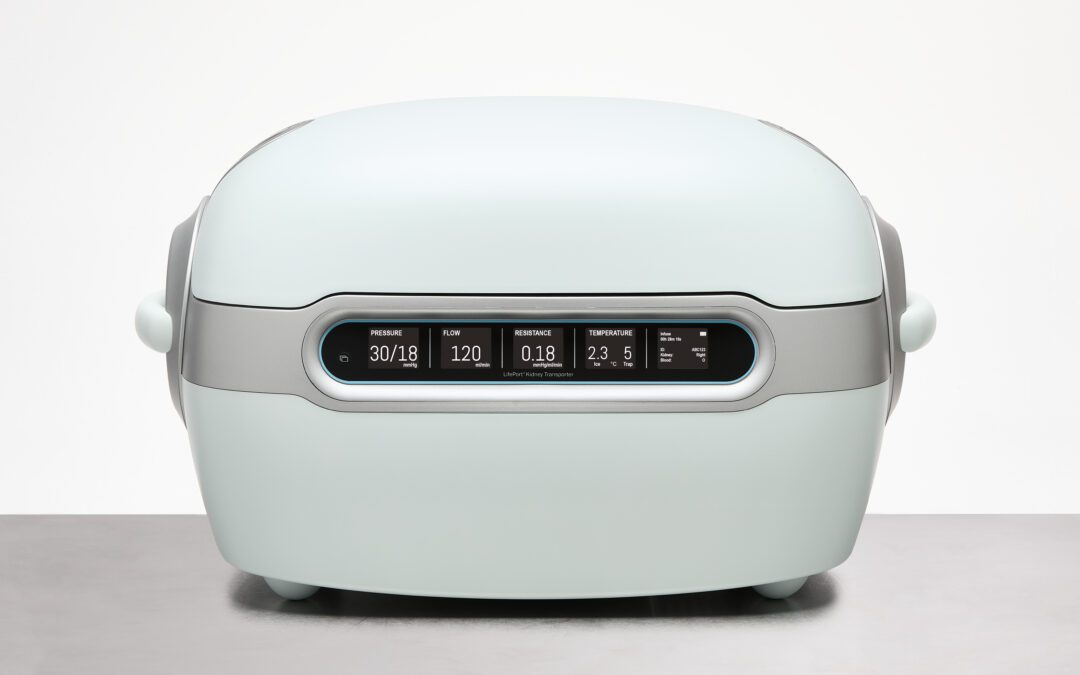
A retrospective paired kidney study by de Sandes-Freitas et al. sought to determine whether hypothermic machine perfusion (HMP) was beneficial in their unique situation where the kidney is placed on HMP after a long period of static cold storage (SCS). They compared 103 kidney pairs of which one was subjected to HMP after SCS and the other was preserved solely by SCS.
They found that:
- There was significantly less DGF in the HMP group (29.1% vs 55.3%, p<0.001)
- When they excluded those that only had one dialysis session on the first post-operative day, the incidence of DGF was 25.2% in the HMP group and 46.6% in the SCS group.

Overall, they concluded that even after a long period of SCS, placing the organ on HMP was significantly beneficial to the reduction of DGF. This study supports the back-to-base-model when HMP devices are not available at the time of retrieval surgery.
Read the full article here: https://www.annalsoftransplantation.com/abstract/index/idArt/927010
The Latest