Author: Virginia Liuti, Strategic Account Manager
July 22, 2026
As we approach World Organ Donation Day on August 13, I have been reflecting on my own journey in healthcare and how it has shaped the way I see our transplant community.
Before joining Organ Recovery Systems, I worked in the rare disease field. It was incredibly meaningful work, but also emotionally difficult. Many of the treatments we provided helped improve patients’ quality of life, but for many families, the outcome was already known. I remember many days leaving work and carrying the weight of those conversations with me.
When I transitioned into transplantation, I expected to experience those same feelings all over again. After all, organ donation often begins with the loss of a life.
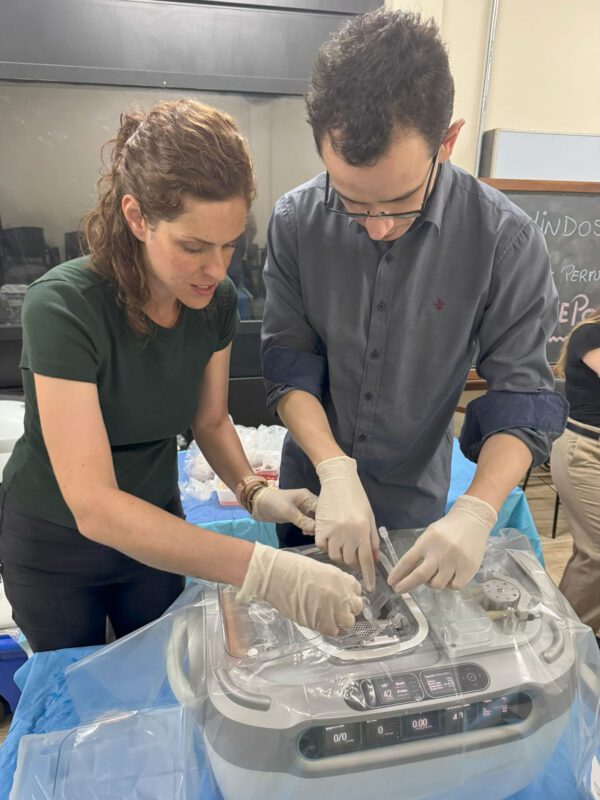
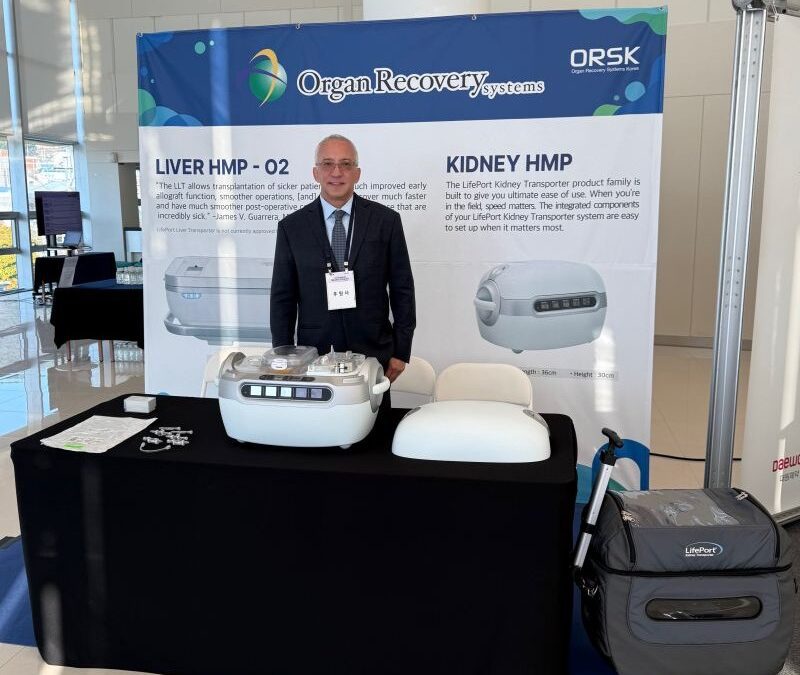
LifePort Kidney Transporter wetlab for Rio de Janeiro state program, 2025
Instead, I discovered something completely different.
For the first time, I saw how one family’s decision, made during one of the hardest moments they could ever face, could create hope for so many others. I realized how one donor could save multiple lives, give patients a second chance, and allow families to create memories they might never have had otherwise. That completely changed my perspective.
To this day, I continue to be amazed by the generosity of donor families. Their selfless decision, made during unimaginable grief, reminds me every day why this work matters so much. What began as a role supporting transplant professionals in Brazil gradually expanded throughout South America, later into Europe with projects in Spain and Portugal, and eventually into parts of Asia. Today, I serve as an Account Manager in the United States for Organ Recovery Systems, working closely with OPOs and transplant centers across the Southeast.
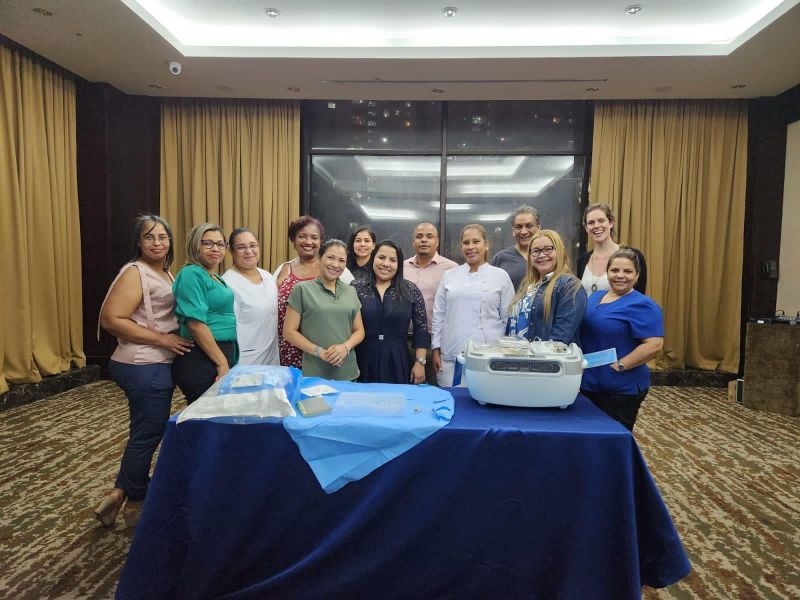
Training with a Transplant Hospital team in Panama, 2023
Throughout this journey, I have had the opportunity to learn from transplant professionals working in very different healthcare systems and cultures. Every country has its own regulations, challenges, and ways of doing things. Some programs have access to more resources and technology, while others must be creative and find different solutions. Some countries recover and transplant large numbers of organs, while others are still working to increase donation rates and expand access to transplantation.
Since 2007, the Global Observatory on Donation and Transplantation has collected data on organ donation and transplantation around the world. In 2024, a record 173,727 solid organ transplants were reported worldwide, the highest number ever recorded. While this is an incredible achievement, the data also reminds us that many challenges remain. Thousands of patients are still waiting for a transplant, and access to transplantation varies greatly depending on where they live.
These differences are real, but they are not what has impressed me the most. What has always stayed with me are the similarities.
No matter where I travel, I meet people who are deeply committed to honoring donors and helping patients receive a second chance at life. Surgeons, coordinators, preservationists, nurses, OPO professionals, and many others all share the same purpose, even when they speak different languages or work within very different healthcare systems.
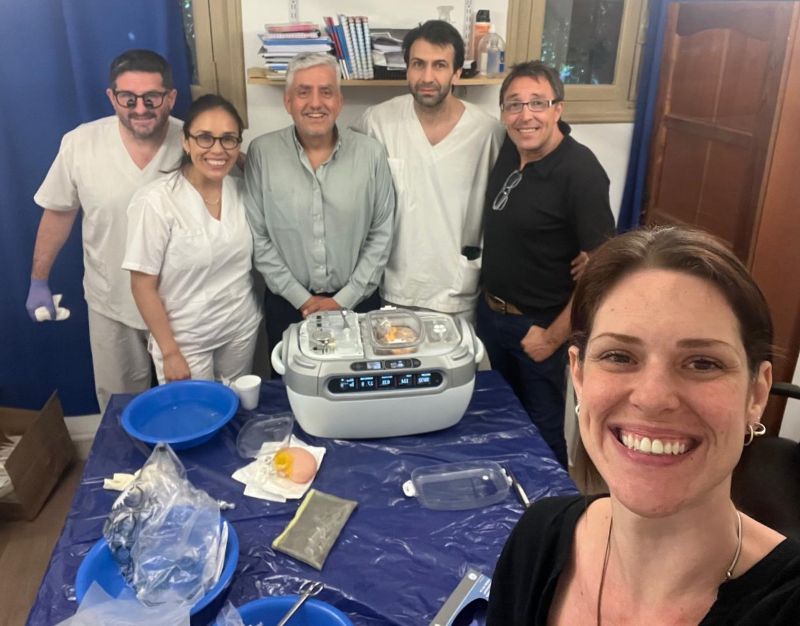
LifePort Kidney Transporter Training at Instituto Nacional Central Único Coordinador de Ablación e Implante in Argentina, 2023
I remember sitting in a meeting thousands of miles away from home with a transplant team in Spain, a country recognized as one of the world leaders in organ donation and transplantation. The language was different. The healthcare system was different. The people around the table had backgrounds very different from mine. Yet within a few minutes, we were talking about the same things: how to honor the donor’s gift, how to preserve organs better, and how to help more patients receive a transplant.
That was the moment I realized that transplantation may look different around the world, but the purpose behind it is remarkably similar.
As we recognize World Organ Donation Day and all the selfless individuals who have registered to be organ, eye, and tissue donors, I am reminded that transplantation is truly a global community. We may work in different countries, speak different languages, and face different challenges, but we are all connected by the same mission: honoring the gift of donation and giving more patients the opportunity for a second chance at life.
After 15 years in this field, that is what continues to inspire me every single day.
The Latest