September 24, 2026
In kidney donation and transplant, procurement teams need timely, reliable perfusion data to evaluate an organ, coordinate acceptance, and move towards a successful transplantation. When that information is slow to arrive or relies on manual updates, it can create delays that interrupt the very delicate and time-sensitive process. In 2025, Versiti, an Organ Procurement Organization (OPO) serving 12 counties in Wisconsin, identified an opportunity to reduce the uncertainties and gaps throughout the transplant process by implementing new LifePort Kidney Transporters (LKT) with Remote Monitoring & Tracking (RM&T) capabilities.
Manual Updates Slowed the Process
Prior to RM&T adoption, Versiti staff manually entered pump numbers and shared perfusion data with receiving transplant centers intermittently. During this time, operating room work was interrupted, and transplant centers relied on the recovery team to update kidney information regularly to make their acceptance decision. The average time from pump start to data availability was about 41 minutes, not including cross-clamp time, and first kidney acceptance averaged more than four hours after perfusion began. That could mean up to five or six hours of cold ischemic time before a kidney was even accepted.
“We would post one data point while we were in the OR…to give transplant centers an idea of how the kidneys were pumping, which was just very clunky,” said Amanda Beck, Recovery Services Supervisor at Versiti. “The entire time we weren’t able to manually post pump numbers, our allocation process was at a standstill.”
RM&T Rollout and Adoption
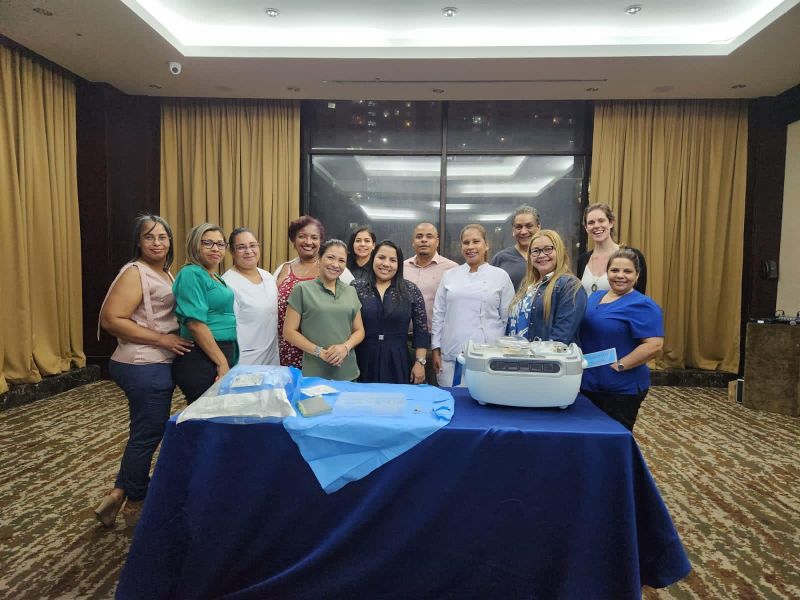
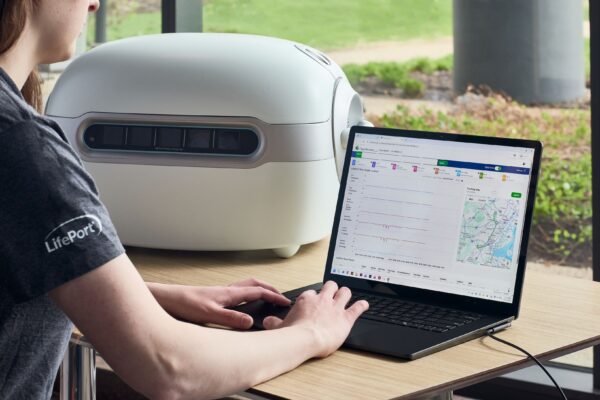
Versiti introduced RM&T in August 2025, allowing staff and authorized users to access the continuous perfusion data and pump location during kidney recoveries and transport. To prepare, Versiti held one in-person training and one virtual training session with Organ Recovery Systems (ORS) to teach staff how to use the system. “We sat down and created an implementation workflow: how we were going to use this, how we were going to teach the team to set the system up, what cases we were going to use it on,” Beck said. “Everybody, after one hour of sitting down together, felt comfortable to go live right away.”
The team also refined the process to better fit their own workflows. While one team member created and shared the link from a laptop, the other scrubbed in and remained sterile. Overall, setup took less than a minute. Beck explained, “It is an additional step, but it decreases the opportunity for risk, which from an OPO standpoint is the best thing that we can do in our operating rooms.”
Expedited Data, Earlier Acceptance
Results after RM&T implementation were immediate and impactful. Time to pump data availability fell from about 41 minutes to roughly 21 minutes, while time from perfusion to first acceptance improved from more than four hours to an average of 3 hours and 37 minutes. With the availability of real-time pump data coming sooner, transplant centers and surgeons could begin evaluating kidneys earlier. Allocation processes could move forward while recovery teams were still in the operating room.
“With remote monitoring and tracking, we’re seeing some really positive results in the data. We’re increasing our efficiency and seeing a shorter cold ischemic time at the start of kidney allocation. Having more data readily available is leading to faster kidney acceptance.”
Transplant centers and surgeons quickly adapted to the new process. Instead of manually entering individual pump numbers, coordinators simply send the link by text or email so a surgeon can immediately review while making an acceptance decision. Beck stated that some centers have begun asking for the links and adjusting their processes around immediate access to pump and kidney data.
A Staff Satisfier
For Versiti’s team, the benefit extends beyond a faster allocation process. Recovery teams no longer need to enter perfusion data into multiple systems or at four-hour intervals during a case. “We no longer have to do that anymore, which is a huge staff satisfier,” Beck said. “It gives you peace of mind. I can easily go into my phone and see that everything is looking good.” Faster acceptance also helps shorten case demands and help staff get home sooner after long recoveries.
RM&T has created other advantages with the ability to see where a pump is located, allowing recovery of equipment more efficiently. Additionally, if a kidney is declined after arriving at a transplant center, live data can lead to a faster re-offer without waiting for manually entered pump numbers.
OPO leaders can also gain a clearer view of active cases. Beck touted the ability to remotely review how a kidney has been pumping over time and provide support with pump management even when not in the field or on that specific case.

Smarter Kidney Allocation
Versiti’s experience shows how RM&T can improve both speed and confidence across kidney transport and allocation. Continuous perfusion data can give OPO staff and transplant centers a shared and real-time view of a kidney, helping to make decisions faster across the transplant process. “I really think LifePort Kidney Transporter and remote monitoring and tracking help us optimize our efficiency, and it leads to better kidney outcomes,” Beck concluded. For teams working against the clock, it means turning information into action for the patients waiting for a transplant.
Organ Recovery Systems’ innovations like LifePort Kidney Transporter help reflect our mission to honor organ donation by delivering solutions that support transplant professionals and improve long-term outcomes for patients. Guided by our values and our vision to be the global leader in organ preservation and transplant technologies, we remain committed to protecting each donor’s gift, every time.
The Latest